
Disaster recovery: preparing your company for the unexpected

Introduction: the vital importance of a disaster recovery plan
In a technology-driven business world, the ability to recover from disasters is more crucial than ever. Disasters, whether natural or man-made, can happen at any time, and their impact on business operations can be catastrophic. A well-structured disaster recovery (DR) plan is not just a safety net; it is a fundamental component of any company’s long-term survival and success.

What is a disaster recovery plan?
A disaster recovery plan is a documented strategy that details how an organization will respond to unforeseen incidents affecting its critical operations. The plan covers everything from natural disasters such as earthquakes and hurricanes to cyberattacks and technical failures. The key components of an effective DR plan include:
- Risk assessment and business impact analysis.
- Clear strategies for recovering systems and data.
- Operational details to maintain business continuity.
The importance of a DR plan in the digital age
In the digital age, where data and computer systems are essential, an efficient DR plan is not just a precaution but a strategic necessity. It ensures companies can keep operating or quickly resume operations after a disaster, minimizing financial losses and reputational damage.

Developing an effective disaster recovery plan
Identifying critical assets and assessing risks
The first step in creating a DR plan is to identify the company’s critical assets and assess the risks they are exposed to. This includes important data, hardware, software and other resources essential to daily operations.
Response and recovery strategies
Once risks and assets have been identified, the next step is to develop strategies to respond to and recover from different types of disasters. This can include backup solutions, redundancy systems and evacuation and contingency plans.

Implementing and testing the plan
Staff training and regular testing
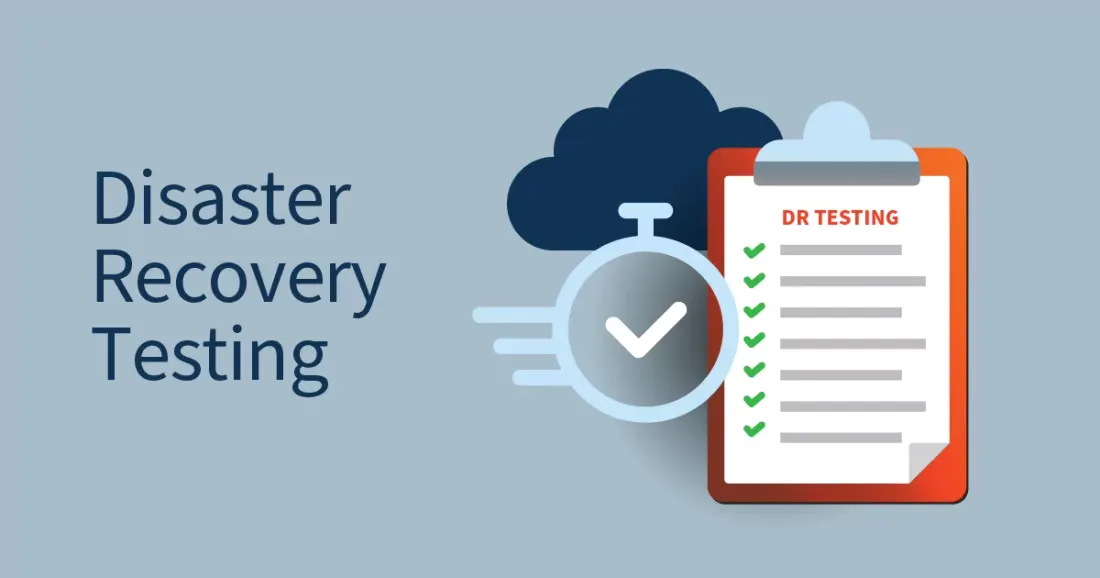
Effective implementation of a DR plan requires proper staff training and regular testing of the plan. Disaster simulations and periodic reviews ensure the plan is practical and effective in real situations.
Constant review and updating
The technology environment and associated risks are constantly evolving. It is therefore crucial to review and update the DR plan regularly to ensure its continued relevance and effectiveness.
A culture of disaster preparedness in the company
Fostering a resilience mindset
Creating a culture of disaster preparedness within the organization is vital. This means not only having plans and procedures, but also fostering a mindset of resilience and adaptability among employees.
Effective communication during and after a disaster
Effective communication is crucial during and after a disaster. A well-developed communication plan ensures all stakeholders are informed and coordinated during the disaster response.

Frequently asked questions (FAQ)
How often should a DR plan be reviewed?
- It is advisable to review the DR plan at least once a year or after any significant change in the company’s operations or infrastructure.
How are RPO and RTO determined in a DR plan?
- The Recovery Point Objective (RPO) and Recovery Time Objective (RTO) are determined based on the business impact analysis and the company’s risk tolerance. The RPO establishes how much time can pass during a failure before the amount of data lost exceeds the acceptable threshold, while the RTO defines the maximum time it takes to restore functionality after a disaster.
Is it necessary to have an alternative physical site in a DR plan?
- It depends on the nature and scale of the company. For some, having an alternative physical site is crucial for business continuity, while others may rely more on cloud solutions. The decision should be based on a detailed assessment of the company’s needs and capabilities.
Conclusion
In short, disaster preparedness is a critical aspect for any company, especially in an era dominated by technology and digital information. A well-conceived and maintained disaster recovery plan is not just insurance against unforeseen events; it is a statement of an organization’s ability to face and overcome challenges, protecting its infrastructure, data and, most importantly, its people.
Companies that invest time and resources in developing, testing and maintaining a robust DR plan not only improve their ability to recover from disasters, but also strengthen their position in the market. Ultimately, resilience is not just about surviving disasters, but about emerging from them stronger and better prepared for the future.

.webp)