
Improve your email security
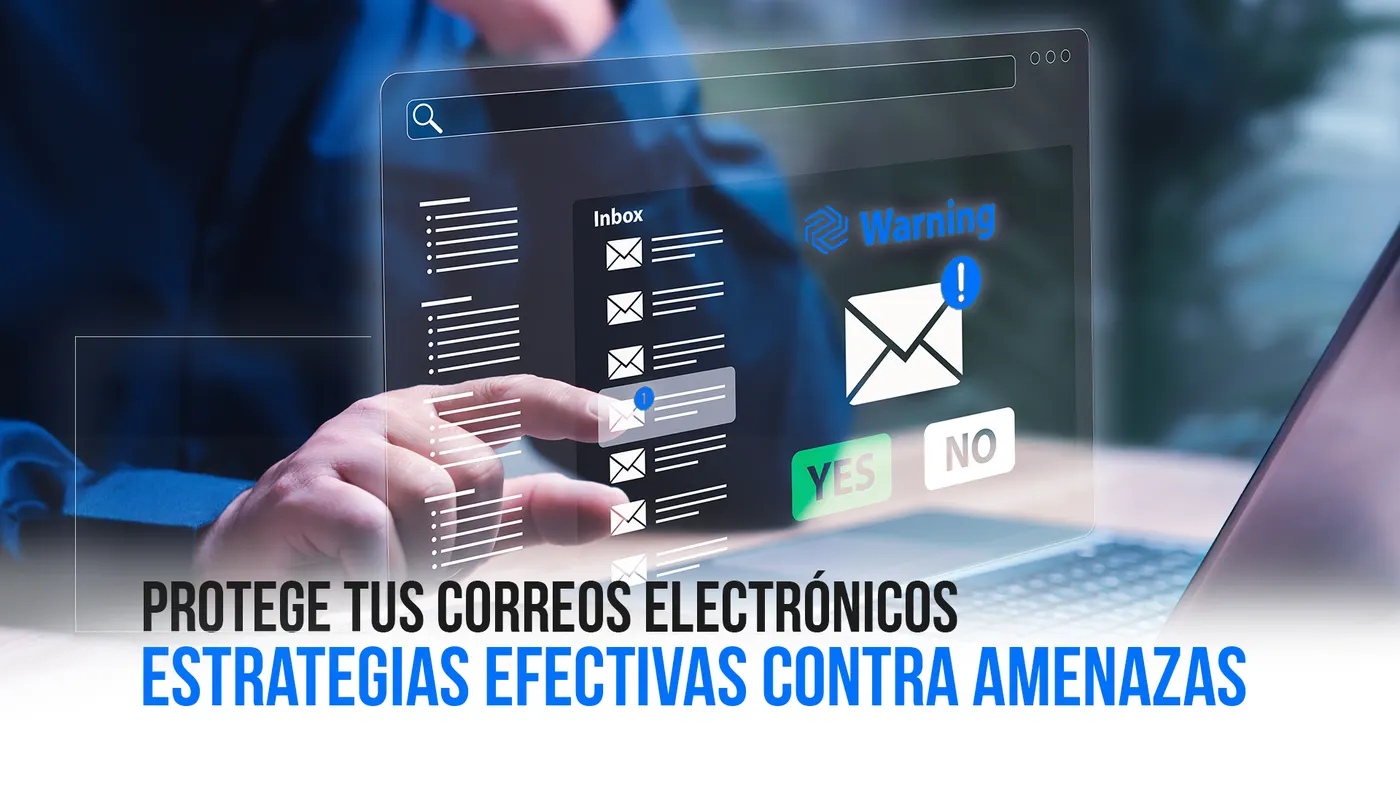
Email remains an essential tool for business communication. However, its widespread use also makes it an attractive target for cybercriminals looking to exploit vulnerabilities and access sensitive data. Protecting email communications against threats and data leaks is crucial to maintaining the integrity and security of business information. In this article, we will explore various strategies and best practices to strengthen email security.
The growing threat of malware and ransomware in email
Email is one of the main attack vectors used by cybercriminals. From malware to ransomware, the threats that arrive through this channel can have devastating consequences for companies. Employees are often the weakest link in the security chain; a simple click on a malicious link or opening an attachment can trigger a chain of events that compromises the internal network and the company’s critical data.
One of the main challenges is the lack of adequate preparation and protection. Organizations that do not implement robust security policies and do not train their employees to identify threats run a significant risk. If employees and the company are not ready and protected, it can trigger terrible consequences for businesses, which highlights the importance of a comprehensive security strategy.
Measures to protect email
To protect email communications, a combination of advanced technologies and recommended practices must be implemented. Below are some of the most effective measures:
- Authentication and encryption: Email authentication and message encryption are fundamental to ensure only the intended recipients can access the information contained in emails. Using protocols such as SPF (Sender Policy Framework), DKIM (DomainKeys Identified Mail) and DMARC (Domain-based Message Authentication, Reporting & Conformance) helps verify the authenticity of senders and prevent spoofing.
- Content filtering and anti-spam: Implementing content filtering and anti-spam solutions is crucial to block malicious emails before they reach employees’ inboxes. These tools can identify and isolate suspicious emails, significantly reducing the risk of malware or phishing infection.
- Training and awareness: Employee training is one of the most effective defenses against email threats. Cybersecurity awareness programs should teach employees to identify fraudulent emails, avoid clicking suspicious links and not download unsolicited attachments.
- Security policies and access controls: Establishing clear security policies that regulate email use and access to information is vital. Access controls should limit who can send and receive emails with sensitive information, and policies should include procedures for reporting suspicious emails and how to respond to a security incident.
- Continuous monitoring and threat analysis: Using continuous monitoring and threat analysis solutions allows companies to detect suspicious activity in real time. These tools can identify unusual behavior patterns that could indicate an ongoing attack, allowing the company to respond quickly to mitigate the damage.
Implementing advanced security solutions
Companies should consider adopting advanced solutions such as email security gateways, which offer additional protection against known and emerging threats. These solutions usually include features such as behavior analysis, advanced threat detection and spoofing protection, providing defense in depth for email communications.
A lot of malware and ransomware arrives through this channel, which makes it imperative for companies to take a proactive approach to email protection. Advanced solutions can be integrated with existing IT infrastructure, offering an additional layer of security without disrupting daily operations.
The role of cloud security
With the increased use of cloud services, email security must also extend to these environments. Cloud-based security solutions offer flexibility and scalability, allowing companies to protect their communications no matter where their employees are or which devices they are using.
Protecting email communications against threats and data leaks is a critical task for any organization. Through a combination of advanced technologies, strict security policies and ongoing employee training, companies can significantly reduce the risk of cyberattacks and protect their most valuable data. In a constantly evolving threat environment, adequate preparation and protection are the key to avoiding devastating consequences. If companies are not ready and protected, they can face terrible consequences, a reminder that email security is a priority that cannot be ignored.
Questions and answers
How can I start implementing security measures for my company’s email?
To start, evaluate your current security policies and make sure they are aligned with recommended best practices. Implement authentication protocols such as SPF, DKIM and DMARC to verify the authenticity of emails. Consider investing in an email security gateway and train your employees on how to recognize and handle suspicious emails.
2. What should I do if I suspect an email in my inbox is malicious?
If you suspect an email is malicious, do not click any links or download attachments. Report the email to the IT department or your company’s cybersecurity lead so they can analyze it and take the appropriate measures. It is crucial not to interact with the email until its safety is confirmed.
3. Are cloud email security solutions secure for companies of any size?
Yes, cloud security solutions offer flexibility and scalability, which makes them suitable for companies of any size. These solutions can be especially beneficial for small and medium-sized businesses that need robust protection without having to maintain complex in-house security infrastructure. In addition, updates and maintenance are handled directly in the cloud, ensuring you always have the latest protection available.
.webp)
.webp)
.webp)